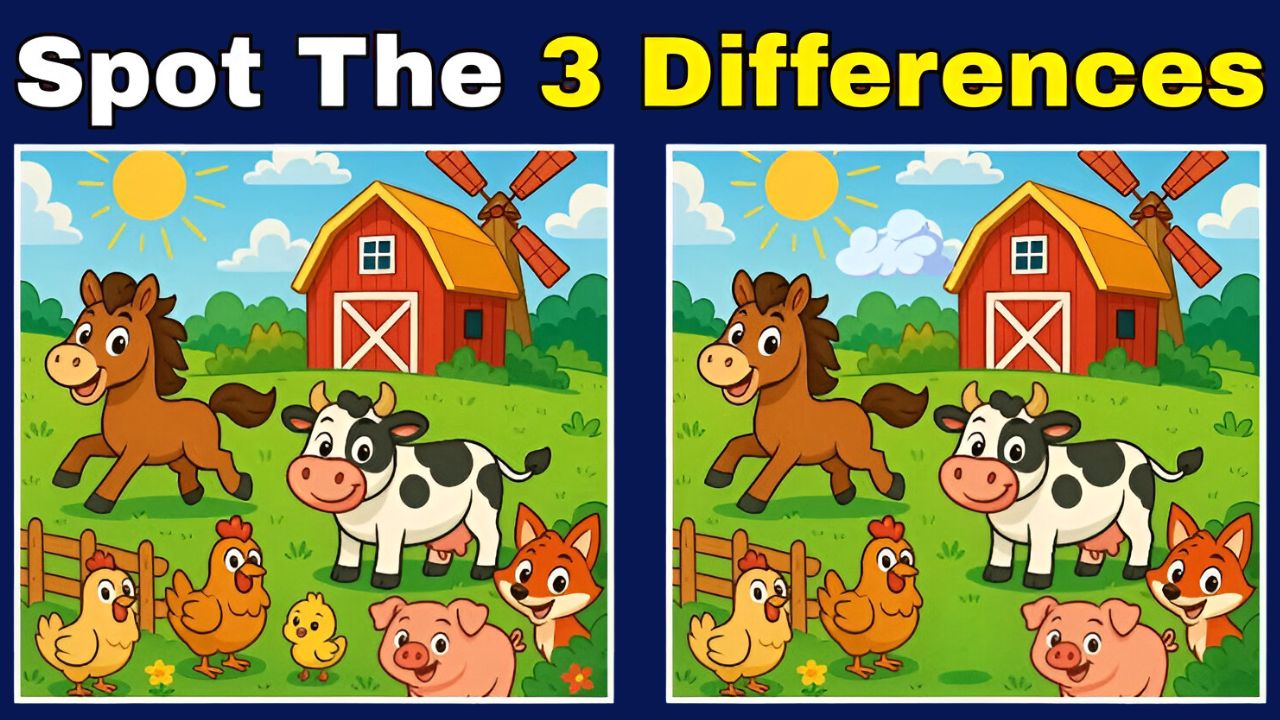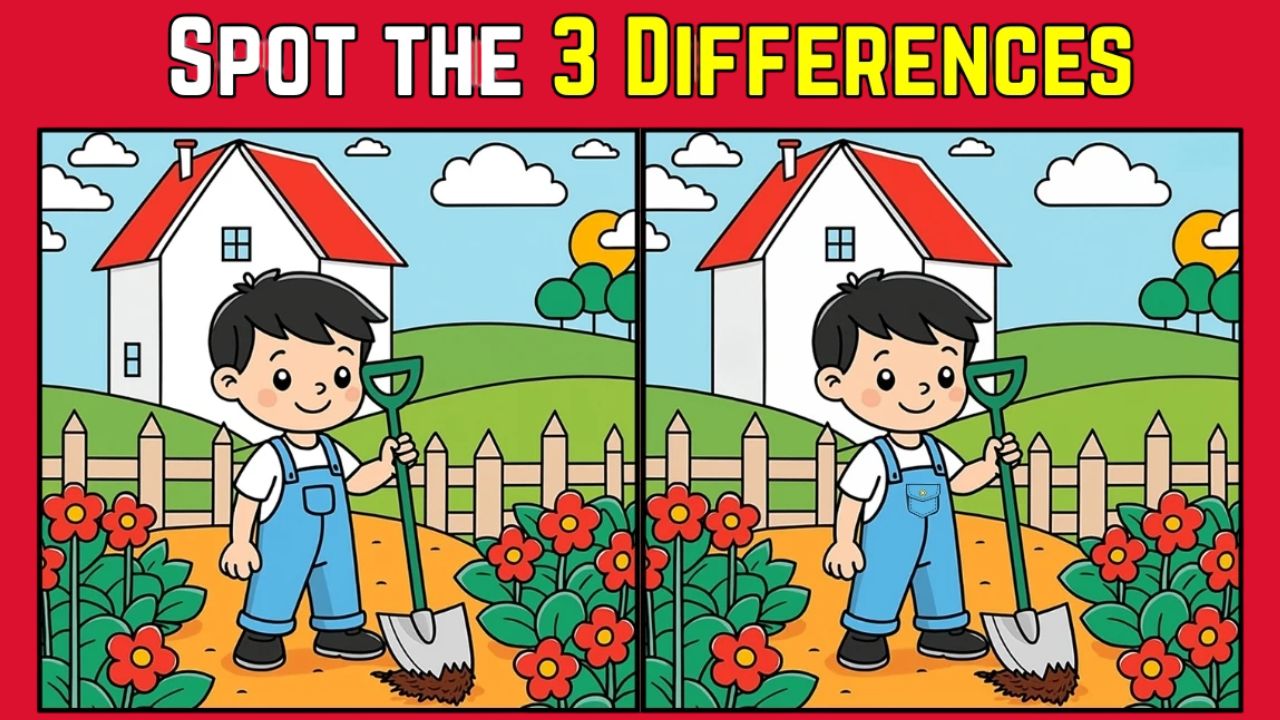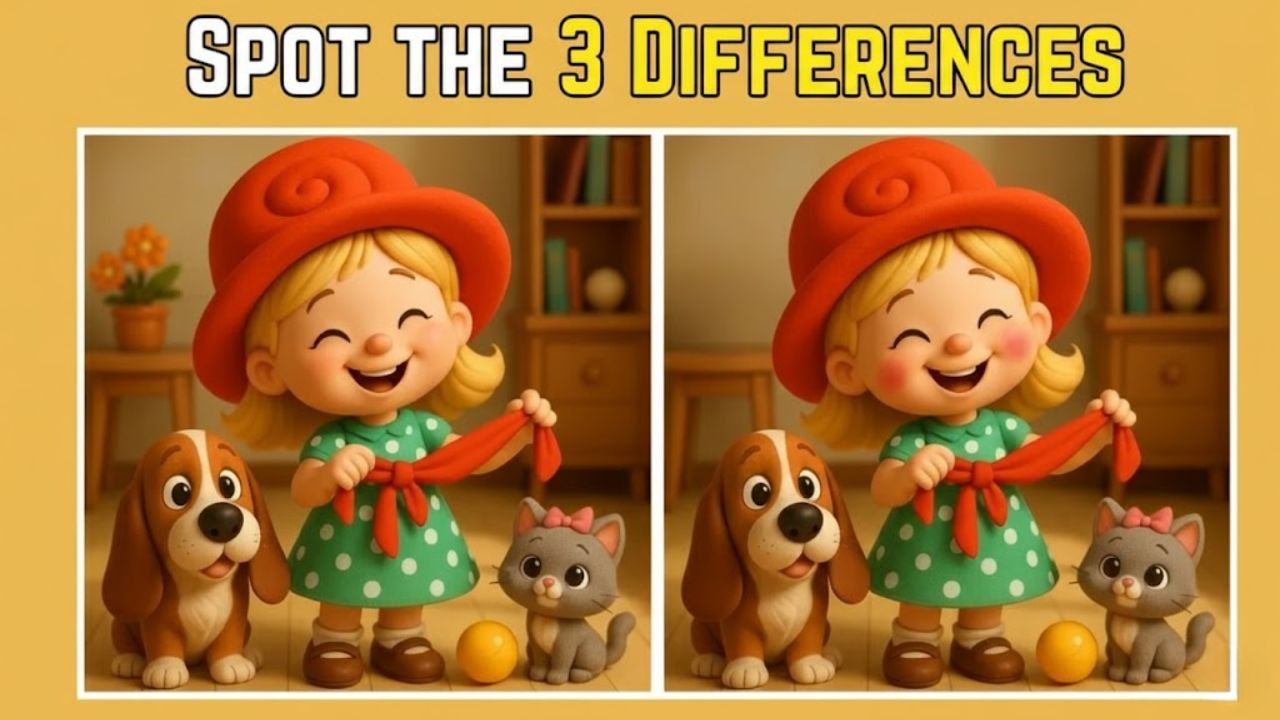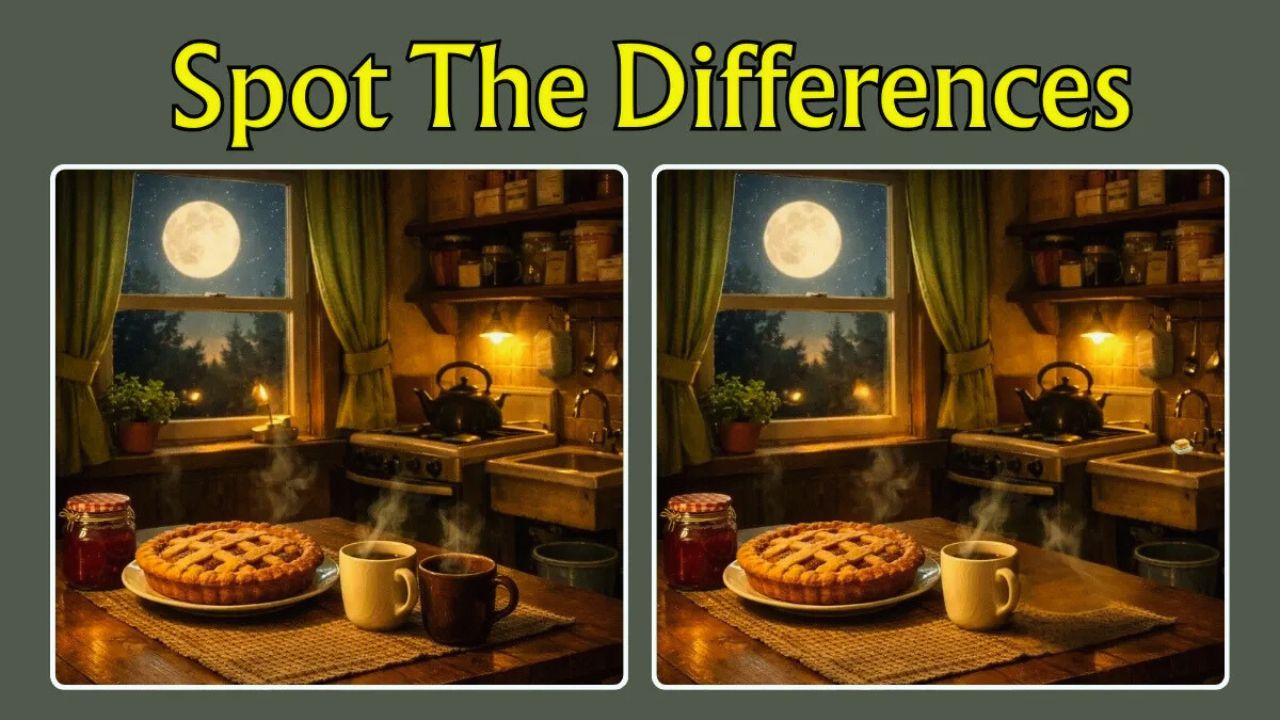
Spot the Difference” puzzles may seem very simple at first glance, but in reality, they are an excellent exercise for the brain. These puzzles serve a dual purpose—they provide mental relaxation and test your concentration skills. This particular puzzle features a cozy kitchen scene with a freshly baked apple pie on the table. At first glance, both images look exactly alike. The same warm lighting, the same view from the window, and the same items arranged on the counter. But the truth is, there are three subtle differences hidden in these two pictures, which are not easy to spot.
The 12-Second Challenge and the Mind Game
The challenge in this puzzle was to find all three differences within just 12 seconds. If you missed even one difference, there’s absolutely no need to worry. Such puzzles are deliberately designed to trick our minds. These changes are often hidden in places that we tend to overlook as “normal.” Our brains are accustomed to quickly understanding and recognizing everyday objects, and these puzzles take advantage of this habit to confuse us.
Why Does the Kitchen Scene Seem So Difficult?
The kitchen scene is challenging because it’s a very familiar environment for us. Cups, plates, stove, sink, window, counter, and the subtle play of light—we see all these things every day. Our brain already knows what a kitchen generally looks like, so it often assumes the entire picture is “complete” without paying close attention. This is why we keep looking at the picture, but the small changes escape our notice. The brain relies on pre-existing assumptions rather than examining every single detail.
The Right Strategy for Viewing the Picture
The best way to solve these kinds of puzzles is to break the picture down into different sections. First, focus on the window, then move to the counter, and finally examine the table carefully. If you try to look at the entire picture at once, your brain will quickly get tired, and it will be difficult to spot the differences. But when you focus on one zone at a time, even small changes become easily noticeable.
Difference Number 1: Change in Window Lighting
First, look at the window area. In the picture on the right, there is an extra gleam or reflection of light near the bottom of the window. This gleam is not present in the picture on the left. This change is very subtle, but once you notice it, the overall atmosphere of the scene feels slightly different, especially in terms of the nighttime feel. Such changes are usually missed because our eyes often overlook soft lighting and reflections.
Difference Number 2: Small Shiny Object Near the Stove and Sink
Now shift your attention to the counter, especially around the stove and sink. In the picture on the right, there is a small, shiny object on or near the counter that is not present in the picture on the left. Counters usually have many things on them already, so the brain considers them “normal clutter.” This is why a new or extra object easily gets hidden and we don’t immediately notice it.
Difference Number 3: Change Near the Cup and Pie on the Table
Now, for the final difference, carefully examine the table in the foreground, especially around the cup and apple pie. In the picture on the right, the details of a cup, the shape of the steam, or the position of the cup appear slightly different from the picture on the left. This is the third and final difference. The pie on the table is the most eye-catching element, so our eyes are drawn to it, and the smaller details around it go unnoticed.
Easy Tips to Solve the Next Puzzle Quickly
If you want to solve such puzzles faster in the future, keep a few simple things in mind. Always scan the image systematically from top to bottom. Focus on the corners first, then gradually move towards the center. Pay close attention to light reflections, small objects, and changes in shape. Don’t linger on one spot for too long; keep your eyes moving constantly.
Not Just Entertainment, but Beneficial for the Brain
These puzzles are not just for entertainment; they also help improve attention span and visual memory. If you found all three differences within the time limit, it indicates that your observation skills are indeed quite sharp. And even if you didn’t find them all, with practice, both your eyesight and your brain will become stronger.